

What Are the Hidden Dangers of Leaving Aluminum Wiring in Your Home?
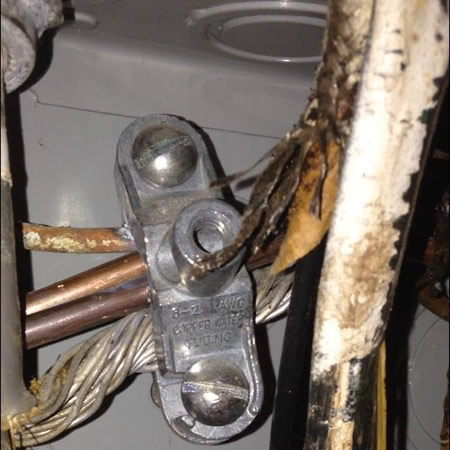
If your Topeka home was built in the late 1960s or 1970s, there’s a chance it still has aluminum branch-circuit wiring behind the walls. On the surface, the lights work, and the outlets look fine. But aluminum ages differently than copper, and those quiet changes can add up to real risk for your family and your property.
When you understand how aluminum behaves, it’s easy to see why many homeowners choose professional aluminum wiring replacement before small issues turn into emergencies. The goal isn’t just new wire. It’s peace of mind, better performance, and a safer home you can trust during Kansas heat waves and winter cold snaps.
If you’re researching options, you can start with aluminum wiring replacement resources from Greenwave Electric and then schedule an expert evaluation to see what your home actually needs.
Why Aluminum Wiring Became Common and Why It Fails
Aluminum branch wiring showed up in many homes during times when copper was harder to get. It seemed like a simple swap. In reality, aluminum expands and contracts more than copper every time you flip a switch or run an appliance. Over years of use, that movement can loosen connections at switches, outlets, and splices.
Loose connections create heat. Heat leads to oxidation, which adds resistance and causes even more heat. That cycle is why loose aluminum connections can arc and start fires if they’re not corrected. You won’t always see it coming from the outside. The problem often hides at the screw terminals or back-stabbed connections where the wire meets the device.
Warning Signs to Watch For
Homes in West Topeka, North Topeka, and Shawnee County communities like Silver Lake or Tecumseh all see big temperature swings across the year. Those swings stress older aluminum conductors. Here are common red flags:
- Lights that flicker or dim when a microwave, space heater, or hair dryer turns on
- Warm or discolored outlets and switches, or a plastic cover that smells hot
- Breakers that trip for no clear reason, especially on older general lighting circuits
- Buzzing at a switch or outlet when a load starts
If you notice any of these, don’t ignore them. Do not touch, tighten, or “fix” aluminum terminations on your own. Only a licensed electrician with the right tools and connectors should open these devices.
The Hidden Risks You Can’t See Behind the Walls
Aluminum issues rarely show up as a single dramatic failure. Instead, they develop at many small points where the wire meets a device. A typical older home might have dozens of these hidden junctions. Even if 95 percent are okay, a few weak points can still overheat. That’s why quick spot checks or swapping a single outlet aren’t enough to keep your family safe.
Aluminum is also more prone to oxidation. The grayish oxide that forms on the surface increases resistance. As resistance goes up, conductors and terminals run hotter under everyday loads. Over time, heat dries out insulation, stresses breakers, and reduces the safety margin your home should have for big seasonal loads like portable heaters in January or window A/C units in July.
How Pros Replace Aluminum Wiring the Right Way
Every home is different, so licensed electricians begin with a full circuit-by-circuit assessment. The goal is to map what you have and identify where aluminum runs, how devices are terminated, and where loads have changed over the years. From there, you’ll get a plan that focuses on safety, reliability, and clean workmanship.
Professional replacement typically includes new copper branch circuits to outlets, lights, and fixed appliances, plus updated devices and terminations. Where walls are finished, careful fishing techniques limit patching. In attics and basements around Topeka, accessible framing spaces often allow efficient routes. The end result is a modern copper system that handles today’s electronics, HVAC controls, and charging stations with fewer hot spots and nuisance trips.
For homeowners planning other improvements, it’s a great time to discuss arc-fault and ground-fault protection, surge protection, and panel labeling. If you’re prioritizing projects across the property, browse the broader electrical services available for homeowners in residential settings to understand what pairs well with a wiring upgrade.
Local tip: Many homes near Potwin Place and older streets south of downtown were built during the era when aluminum branch wiring was common. If your home was built between 1965 and 1975, schedule a professional inspection before peak summer or winter loads return. Catching loose terminations early helps protect devices and finishes.
Repair Options Versus Full Replacement: What Makes Sense
Some homes qualify for targeted repairs at specific devices or junctions using code-accepted connectors installed by a trained electrician. That approach addresses known weak points. But it doesn’t change how aluminum ages elsewhere on the circuit. Full copper replacement removes the ongoing risk across the run and usually improves performance for sensitive electronics.
Your electrician will weigh the condition of terminations, the number of aluminum circuits, and how your family uses the home. A kitchen with high-demand appliances, a finished basement with media gear, or a garage workshop may tip the balance toward a full home wiring upgrade. The right choice varies by layout, access, and your long-term plans. There’s no one-size answer, but there is a safer one for your house.
Why Aluminum Wiring Replacement Matters
Topeka weather puts wiring to the test. Summer storms bring power blips and heavy A/C loads. Winters add space heaters and longer run times for furnaces and fireplaces with blower motors. All that cycling stresses aluminum terminations. A planned aluminum wiring replacement in Topeka, KS swaps aging conductors for copper, reduces hot spots, and gives you modern protection where it counts most.
Older neighborhoods with tight wall cavities and plaster finishes can still be upgraded. Skilled installers route new home runs with minimal disturbance, label circuits clearly, and verify performance before devices go back into the wall. You’ll notice steadier light levels, cooler outlets under load, and fewer breaker trips when big appliances start up.
How Old Wiring Affects Insurance and Home Sales
Insurers and lenders focus on risk, and aluminum branch wiring signals higher risk compared to copper. Some carriers may require documentation that a licensed electrician evaluated or updated the system before a policy is issued or renewed. Requirements vary by company, but homeowners often find the conversation easier once an electrician has inspected the home and completed the recommended electrical hazard repair work.
Thinking about selling in Shawnee County? Buyers look for clean inspection reports and predictable ownership costs. A copper wire upgrade can remove a common deal killer and help your home compare better to others in your price range. It’s not about over-improving. It’s about removing doubt so your listing moves forward without last-minute surprises at the panel or outlets.
What You Can Do Today Without Opening A Single Outlet
You don’t need to touch a wire to reduce risk. Start with awareness and simple daily habits while you plan next steps:
- Use major appliances on their own circuits whenever possible to avoid unnecessary heat at older terminations
- Replace damaged cords and avoid power strips for high-load devices like space heaters
- Notice patterns. If a certain outlet runs warm or a light always flickers, log it and share that note with your electrician
These habits don’t fix aluminum. They help you avoid stress points until a pro evaluates the system. Do not ignore warm or discolored outlets, and never rely on temporary adapters or off-the-shelf connectors as a cure. The safest path is a professional home wiring upgrade designed for your layout and loads.
What A Professional Evaluation Includes
Your visit should include visual checks at the panel and devices, testing of representative outlets and switches, and thermal readings where appropriate. The electrician will confirm wire types, device ratings, and termination methods. You’ll get a clear report that explains what’s urgent, what can wait, and how different options protect your family.
Many households use this moment to plan future circuits for EV charging, home offices, or workshops. If you also manage a small business or rental nearby, you can coordinate upgrades with your service provider’s commercial team so everything aligns with your long-term plans.
Why Copper Performs Better for Everyday Life
Copper resists oxidation, holds tight under screws, and carries current with lower resistance. Devices stay cooler during long run times, lights stay steady, and breakers trip less when motors start. That consistency matters when winter hits Topeka, and your heating equipment and kitchen circuits run at the same time. It also matters for modern electronics and LED lighting that prefer stable voltage.
Most homeowners report a quieter, steadier system after a copper upgrade. You might notice fewer hums from dimmers, fewer random resets on electronics, and better performance from high-demand appliances. It’s a quality-of-life change you can feel, backed by a safety improvement you can’t always see.
Your Safety-First Next Step
If your home fits the likely age range, or if you’ve seen signs like flickering, buzzing, or warm outlets, it’s time to act. Book a licensed electrician to inspect your system and outline the safest path forward. With Greenwave Electric, you’ll get clear explanations, respectful workmanship, and a plan that matches your budget and timeline without cutting corners.
Ready to move from concern to confidence? Call 785-845-2360 to schedule a visit and discuss the best path for your family. When you decide to replace aluminum wiring safely and completely, we’ll handle the details and keep you informed at every step.
For electrical repairs in Topeka and Lawrence, Kansas, complete our Online Request Form, or call an experienced electrician today!
Topeka: 785-228-2478
Lawrence: 785-845-2360